
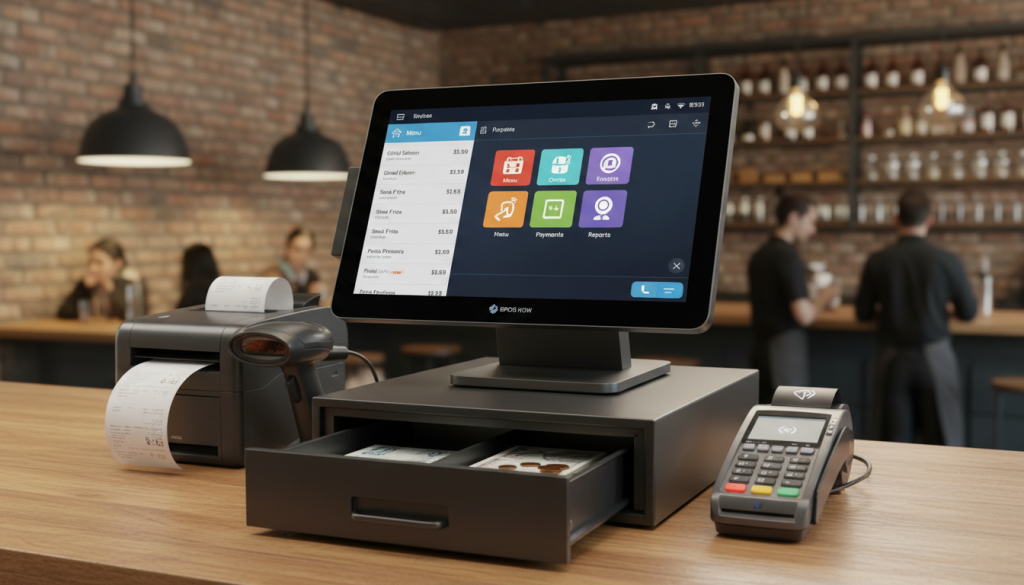
In the vibrant landscape of the UK’s hospitality sector, the margin between a bustling dining room and a quiet one is often found in the efficiency of operations. As diners return to high streets with higher expectations for speed and personalization, restaurant owners are realizing that their old cash registers are no longer enough. To thrive in today’s economy, a robust point of sale for restaurants has evolved from a simple payment processor into a comprehensive management hub.
For a restaurant to scale, every second saved during a busy Saturday night service counts. This is where the right technology transitions from a “cost” to a “revenue driver.”
The Evolution of Service Efficiency
The core of any successful eatery is the flow of communication between the front-of-house staff and the kitchen. Traditional paper-and-pen methods are prone to handwriting errors, lost tickets, and delayed communication. By implementing a modern restaurant epos system, businesses can bridge this gap instantly.
When an order is taken at the table, it is fired directly to the kitchen display screen or printer. This doesn’t just save the server a trip across the floor; it ensures that the chef starts the meal minutes earlier, leading to faster table turnover and happier customers. In the competitive UK market, increasing your table turnover by even 10% can lead to a significant boost in monthly revenue.
Why Specialist Hardware and Software Matter
Not all POS systems are created equal. A generic retail system rarely accounts for the nuances of a busy kitchen—modifiers (like “no onions” or “medium-rare”), coursing, and split-billing. A dedicated point of sale for restaurants is designed with these specific hurdles in mind.
1. Robust Reliability
Kitchen environments are tough. Heat, steam, and the occasional spill can destroy consumer-grade tablets. Professional-grade hardware, such as the solutions offered by Cube POS, is built for the “heat of the moment,” ensuring that your system doesn’t crash during your busiest hour.
2. Seamless Payments and Integration
The modern UK diner rarely carries cash. A high-quality restaurant epos system must integrate seamlessly with card terminals, mobile payments, and even online ordering platforms. This “all-in-one” approach means that your end-of-day reports are accurate, reflecting every penny earned from walk-ins to Deliveroo orders.
Data-Driven Decision Making
The true “human touch” in hospitality comes from understanding your guests. Modern POS software provides analytics that were previously only available to giant chains. With detailed reporting, an independent restaurant owner can see exactly which menu items are “stars” (high profit, high popularity) and which are “plowhorses” (low profit, high popularity).
This data allows for smarter menu engineering. If you know that your Sunday Roast has a 70% profit margin but is only ordered by 10% of guests, you can use your POS data to justify a marketing push or a prominent placement on the physical menu.
Inventory and Staff Management
Waste is the silent killer of restaurant profits. A sophisticated point of sale for restaurants tracks stock levels in real-time. When a bottle of wine is sold, it is deducted from the inventory. When a certain ingredient runs low, the system can alert the manager before the item has to be marked as “86” (out of stock) on the menu.
Furthermore, these systems assist with staff management. From tracking clock-in times to monitoring individual sales performance, an EPOS system provides a transparent way to reward your hardest-working team members and identify who might need more training.
Final Thoughts: Investing in the Future
As we look toward the future of the UK hospitality industry, the restaurants that will survive and flourish are those that embrace technology to support their human staff. A restaurant epos system isn’t about replacing the waiter; it’s about giving that waiter the tools to spend more time interacting with guests and less time standing at a computer screen.
For those looking to upgrade their infrastructure, choosing a partner like Cube POS provides the stability and local expertise required to navigate the unique challenges of the UK market.
In the end, hospitality is about the experience. By optimizing your point of sale, you ensure that the “business” side of your restaurant runs like clockwork, leaving you free to focus on the food and the people.
