
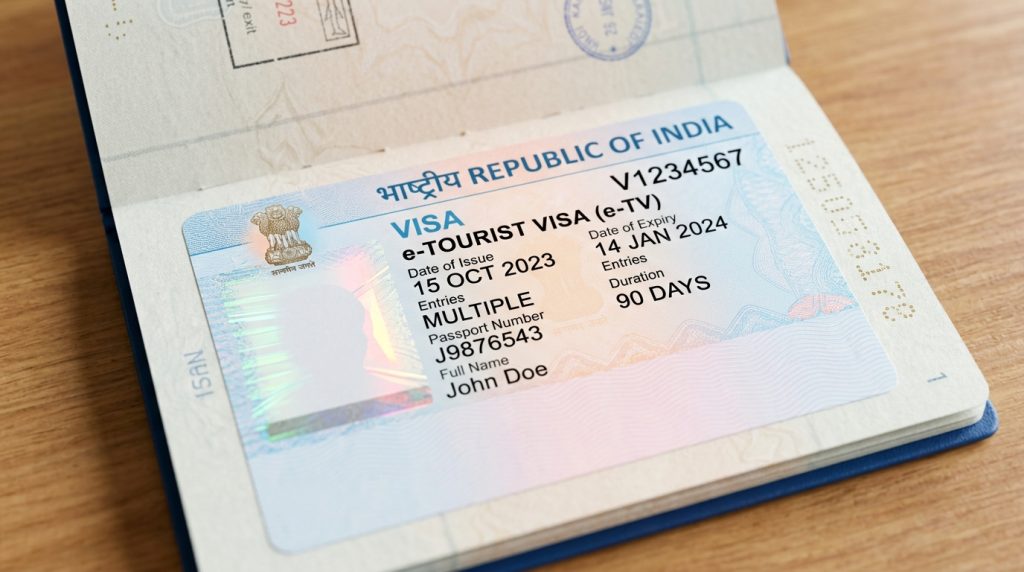
India continues to be a top-tier destination for global travelers, offering a unique blend of historical grandeur and rapid economic growth. Whether you are heading to the tech hubs of Hyderabad or the serene landscapes of Kerala, the key to a stress-free journey lies in understanding the digital immigration landscape. In recent years, the Indian government has expanded its electronic visa (e-Visa) program, making it easier than ever for international visitors to secure entry permits without visiting an embassy.
Facilitating Global Connections
The e-Visa system is designed to foster international tourism and business relations by providing a fast, paperless application process. This digital transition has been particularly beneficial for travelers from East Asia, where business and cultural exchanges with India are at an all-time high. For those planning a trip from the region, understanding the specific application steps for an INDIAN VISA FOR TAIWANESE CITIZENS is essential.
The online portal allows applicants to select from various categories, including tourism, business, and medical treatment. By streamlining the verification process, most travelers receive their Electronic Travel Authorization (ETA) via email within a few business days, allowing for efficient trip planning and execution.
Navigating the Application Safeguards
While the digital process is convenient, it is also rigorous. The Indian immigration authorities maintain strict standards to ensure the security and integrity of their borders. Many travelers encounter delays or setbacks because they underestimate the precision required during the data entry phase. Awareness of the common REASONS FOR INDIAN VISA REJECTION AND DISAPPROVAL is vital for any applicant looking to avoid unnecessary complications.
Most administrative hurdles stem from simple, avoidable mistakes. These include:
- Inconsistent Information: Discrepancies between the details on your passport and the information provided in the application form.
- Poor Document Quality: Uploading blurry passport scans or photographs that do not meet the specific technical requirements (such as a clear white background).
- Incorrect Visa Category: Selecting a tourist visa for a trip that involves long-term employment or media work, which requires a traditional paper visa.
Essential Checklist for the Modern Traveler
To ensure your application is processed successfully and indexed correctly within the government system, follow these professional guidelines:
- Passport Validity: Ensure your passport has at least six months of validity from the date of your arrival in India and contains at least two blank pages.
- Digital Readiness: Save your passport scan and digital photo in the exact file format and size specified by the portal to prevent upload errors.
- Arrival Records: Keep a printed copy of your ETA throughout your journey, as it must be presented to immigration officers at the port of entry for the final biometric enrollment.
Finalizing Your Travel Plans
India’s vast cultural diversity and economic potential make it a destination that rewards the well-prepared traveler. By taking a proactive approach to your documentation and double-checking every detail of your application, you can bypass common logistical frustrations. With the correct travel authorization in hand, you are free to focus on the sights, sounds, and opportunities that await you in the heart of South Asia.
