
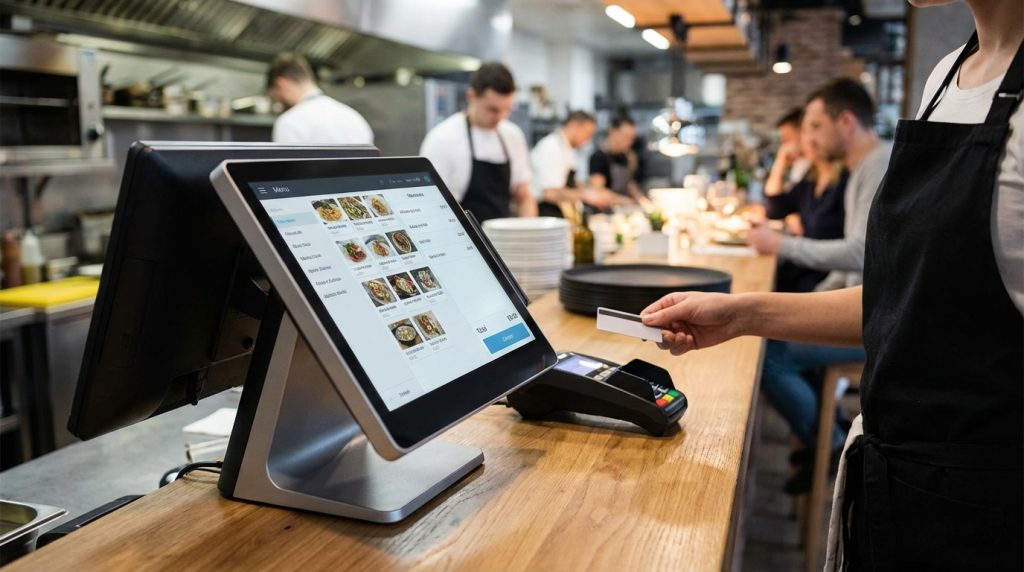
In the high-octane world of the UK hospitality industry, the difference between a thriving bistro and a struggling eatery often comes down to a matter of seconds. Whether it’s the time taken to send an order to the kitchen or the speed at which a bill is split during a busy Friday night rush, efficiency is the currency of success. Central to this efficiency is the point of sale for restaurants, a technology that has evolved far beyond the simple cash register to become the digital heartbeat of the modern dining room.
For many owners, the POS was once viewed as a “necessary expense”—a piece of hardware required to process payments. However, as diner expectations shift toward seamless, tech-enabled experiences, the right system has become a strategic asset that influences everything from food waste to staff retention.
Seamless Integration: The Front and Back of House
The primary challenge in any restaurant is communication. When a server takes an order, that information must travel to the kitchen or bar with absolute precision. Traditional paper tickets are prone to human error, illegible handwriting, and physical loss.
A professional point of sale for restaurants eliminates these friction points. By utilizing integrated handheld devices or sleek countertop terminals, orders are instantly transmitted to Kitchen Display Systems (KDS). This real-time synchronization ensures that the “the pass” remains organized, reducing ticket times and ensuring that every dish reaches the guest exactly as intended. When the technology is reliable—such as the robust solutions offered by CubePOS—the staff can focus on hospitality rather than logistics.
Data-Driven Decision Making
One of the most human elements of running a restaurant is “gut feeling”—knowing which dish is a favorite or which night will be the busiest. However, modern competition requires that gut feeling to be backed by hard data.
Today’s POS systems provide granular insights that were previously reserved for global franchises. Owners can now track:
- Menu Engineering: Identify which high-margin items are underperforming and which “loss leaders” are driving footfall.
- Inventory Management: Automatically deduct ingredients from stock as dishes are sold, alerting managers before a key item runs out.
- Staff Performance: Understand which servers have the highest average spend per head, allowing for targeted training and rewards.
Enhancing the Guest Journey
The modern diner values autonomy and speed. A high-quality point of sale for restaurants caters to these needs through flexible payment options. Whether it’s Apple Pay, Google Wallet, or complex bill splitting, the checkout process should be the shortest part of the evening.
Furthermore, the integration of loyalty programs directly into the POS allows restaurants to recognize “regulars” instantly. Offering a birthday discount or a free coffee based on previous visit data creates a personalized “human touch” that keeps customers returning in an era where brand loyalty is increasingly hard to win.
Reliability in the Heat of the Moment
The hospitality environment is notoriously tough on hardware. Heat, spills, and constant use can quickly degrade consumer-grade tablets. This is why niche-specific hardware is vital. Investing in a system designed specifically for the rigours of a kitchen ensures that the business doesn’t grind to a halt during peak hours.
Reliability also extends to the software. A cloud-based system with an “offline mode” ensures that even if the internet flickers, the orders keep flowing and the payments keep processing. This level of stability is what separates a professional operation from an amateur one.
The Verdict
As we move further into the decade, the integration of technology in dining will only deepen. The choice of a point of sale for restaurants is no longer just about picking a tool; it’s about choosing a partner for your business’s growth.
By streamlining operations, capturing vital data, and removing the barriers to great service, a modern POS allows restaurateurs to get back to what they love: creating unforgettable food and experiences. For those looking to upgrade their infrastructure, exploring specialist providers like CubePOS is the first step toward a more profitable and less stressful future.
