
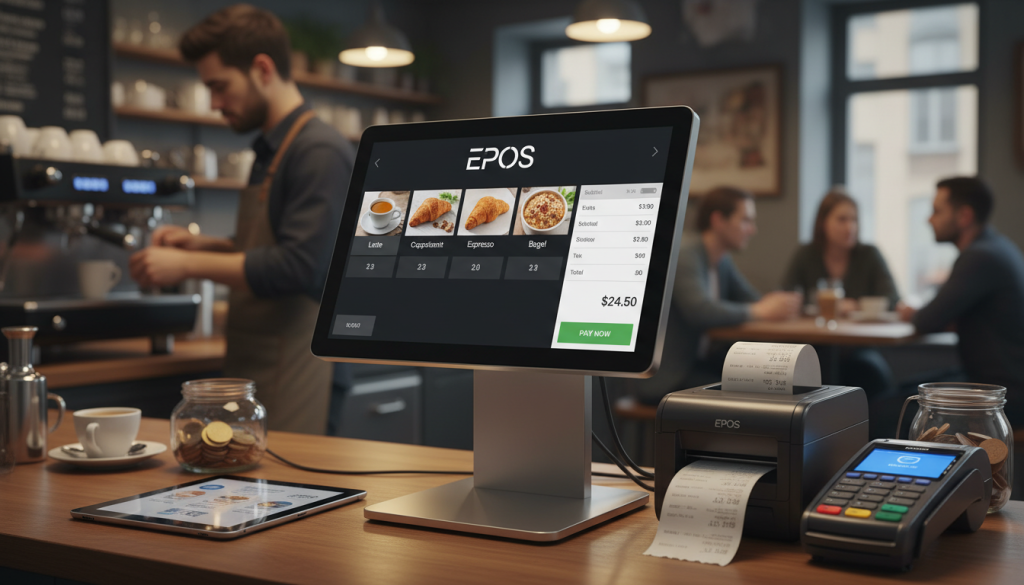
In the bustling high streets of the UK, from the artisan coffee shops of East London to the high-end bistros of Manchester, the hospitality landscape is more competitive than ever. Today, a business’s success isn’t just measured by the quality of the roast or the seasoning of the steak; it’s measured by the efficiency of the workflow. For owners, the backbone of this efficiency is a robust epos for restaurant management and a specialized cafe point of sale system.
The era of the “dumb” cash register is over. Modern operators are looking for technology that does more than just hold cash; they need a partner that helps manage the complexities of modern dining.
Why Speed is the Ultimate Currency for Cafes
For a cafe, the morning rush is a make-or-break period. If the queue moves too slowly, customers simply walk to the next shop. This is where a dedicated cafe point of sale system proves its worth. Unlike generic retail tills, a cafe-focused system is designed for high-speed transactions.
Features like “one-touch” modifiers—allowing baristas to quickly swap oat milk for dairy or add an extra shot of espresso—ensure that the order is accurate and the queue keeps moving. Furthermore, integrated loyalty programs within the POS allow regular customers to be recognized and rewarded instantly, fostering the kind of community connection that independent cafes thrive on.
Orchestrating the Chaos: EPOS for Restaurant Excellence
While cafes prioritize speed, restaurants prioritize orchestration. A dining room is a complex ecosystem of front-of-house staff, kitchen teams, and diners. A professional epos for restaurant use acts as the conductor of this orchestra.
Table management is perhaps the most critical feature. A high-quality system allows hosts to see at a glance which tables are “just seated,” which are “waiting for mains,” and which are “ready for the bill.” This level of visibility prevents bottlenecks and ensures that staff are always one step ahead of the guest’s needs. When the technology handles the logistics, the servers are free to provide the hospitality that truly defines a brand.
The Hidden Power of Integrated Data
Beyond the front counter, the real magic of a modern system like those provided by Cube POS lies in the back-office data. For years, restaurant owners had to rely on “gut feeling” to manage their stock. Today, that is a dangerous game.
- Inventory Control: By tracking every gram of coffee or every slice of sourdough, a cafe point of sale system can alert you to wastage or “shrinkage” before it affects your bottom line.
- Labor Optimization: Data analysis shows you exactly when your peak hours are. This allows for smarter scheduling, ensuring you aren’t overstaffed during the afternoon lull or understaffed during the Saturday night surge.
- Cloud-Based Agility: In the modern world, owners need to be able to check their sales figures from their phone while they are away from the premises. Cloud integration ensures that your business stays transparent, no matter where you are.
Adapting to the Hybrid Dining Model
The post-pandemic world has introduced a hybrid model where takeaway, delivery, and dine-in all happen simultaneously. A modern epos for restaurant needs to consolidate these channels. Having separate tablets for every delivery app creates “tablet hell” for the staff. The best systems integrate these orders directly into the kitchen display, treating a delivery order with the same priority and accuracy as a table in the front window.
Conclusion: Future-Proofing Your Business
Investing in a high-tier POS is about more than just processing payments; it’s about buying back your time and protecting your margins. Whether you are looking for a streamlined cafe point of sale system to handle the morning rush or a comprehensive epos for restaurant to manage a multi-floor dining room, the right technology is the best employee you will ever hire.
As the UK hospitality sector continues to evolve, staying ahead of the curve isn’t just an advantage—it’s a necessity for survival.
