
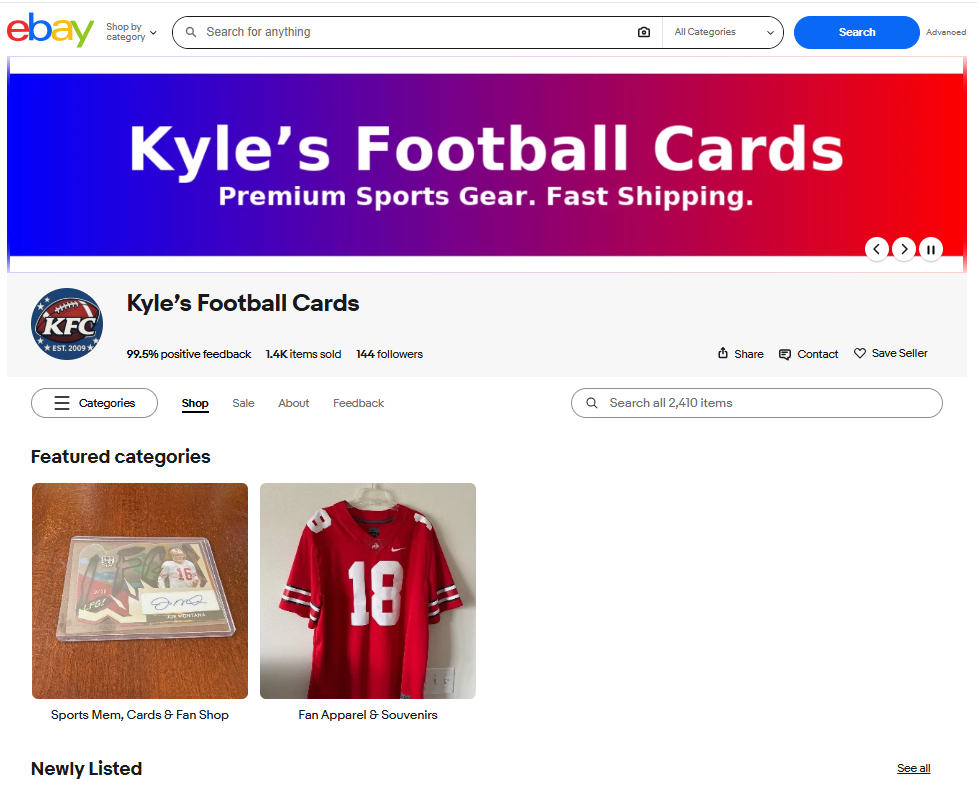
Collecting football cards is both a hobby and a potential investment opportunity. While some collectors focus purely on financial returns, others prioritize personal enjoyment or nostalgia. Striking a balance between these goals requires thoughtful planning, research, and sourcing from trustworthy sellers like kylesfootballcards to ensure authenticity and quality.
Defining Your Collecting Goals
Before expanding a collection, it’s essential to define your objectives. Are you collecting for personal satisfaction, long-term investment, or a combination of both? Your goals influence the types of cards you prioritize and the level of risk you are willing to take.
Collectors often categorize their objectives as:
- Personal enjoyment (favorite players, teams, or seasons)
- Long-term financial investment (rookie cards, graded cards, limited editions)
- Completion goals (full sets, themed collections)
Understanding your purpose helps guide every purchase and prevents impulsive buying decisions.
Balancing High-Value Cards with Affordable Additions
A well-rounded collection includes both high-value and more affordable cards. Rare, graded, or autographed cards may serve as the investment backbone, while less expensive or ungraded cards provide diversity and enjoyment.
This strategy offers several advantages:
- Spreads financial risk across multiple cards
- Maintains engagement with frequent acquisitions
- Encourages collection growth without overextending budgets
Trusted sellers provide a range of options to support a balanced approach.
Prioritizing Player and Team Preferences
Personal preference often drives collecting habits. Some collectors focus on specific teams or players, while others seek cards of emerging stars. Aligning collection strategy with personal interest increases satisfaction and encourages continued engagement.
Reliable sellers understand these nuances and offer curated selections to meet diverse collector needs.
Integrating Graded and Raw Cards
Both graded and raw cards have their place in a balanced collection. Graded cards offer protection and verified condition, which is particularly important for high-value items. Raw cards, on the other hand, allow flexibility and may be submitted for future grading.
Combining these two types helps collectors balance security with growth potential.
Monitoring Market Trends and Investment Potential
Collectors seeking investment opportunities should stay informed about market trends. Player performance, card rarity, and recent sales data all influence a card’s long-term value. Sourcing from reputable sellers ensures that you acquire authentic cards that align with market insights.
Consistent research enables collectors to make educated decisions and identify cards with both enjoyment and investment potential.
Maintaining Proper Care for Longevity
Preservation is crucial for both enjoyment and financial growth. Cards should be stored in protective sleeves or top loaders, kept away from sunlight and moisture, and handled with care. Proper storage ensures that condition remains stable over time.
Professional sellers, like kylesfootballcards, take care of these details before shipping, giving collectors confidence that their cards arrive in optimal condition.
Conclusion: Creating a Sustainable and Rewarding Collection
Building a balanced football card collection requires strategy, patience, and trusted sourcing. Combining high-value investment cards with affordable additions, prioritizing personal interests, and maintaining proper care ensures both enjoyment and long-term value. Collectors who purchase from reliable sellers gain confidence in authenticity, condition, and overall quality.
For collectors aiming to enjoy the hobby while building a valuable portfolio, kylesfootballcards offers a dependable and professional source for all types of football cards.
