
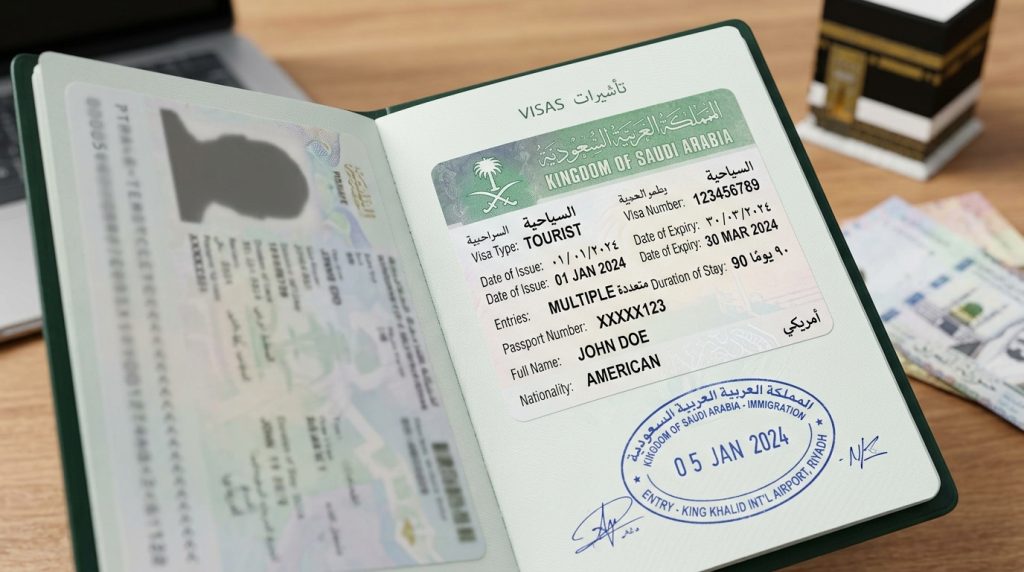
As Saudi Arabia continues its rapid development under Vision 2030, the Kingdom has significantly improved its infrastructure to accommodate an increasing number of international arrivals. Whether you are traveling by air, land, or sea, knowing which ports are equipped to handle your entry—and understanding your visa exemption status—is the first step toward a seamless arrival in 2026.
Strategic Points of Entry
The Kingdom has invested heavily in modernizing its transit hubs to provide a world-class experience for international visitors. From the sprawling, high-tech terminals at Riyadh’s King Khalid International Airport to the bustling hubs in Jeddah and Dammam, the country’s infrastructure is designed for high efficiency.
If you are finalizing your travel itinerary, understanding the SAUDI VISA AIRPORT AND PORTS OF ENTRY is critical. While major international airports are the most common entry points for tourists and business travelers, the Kingdom also maintains several land crossings and maritime ports that cater to regional travelers and cargo operations. Always verify that your specific point of entry is authorized for your visa type, as some land or sea ports may have different processing capabilities compared to the primary international airports. Checking these details in advance ensures that you don’t face unexpected delays or rerouting upon your arrival.
Understanding Visa Exemption Status
While the vast majority of international travelers require some form of entry authorization, Saudi Arabia maintains specific agreements with several nations that allow for visa-free entry. These exemptions are usually granted based on bilateral diplomatic relations, often allowing citizens of specific countries to enter for short-term tourism or business purposes without a formal prior application.
However, “visa-exempt” does not always mean “documentation-free.” Even travelers from SAUDI VISA EXEMPT COUNTRIES are often required to provide proof of travel insurance, a valid passport with at least six months of remaining validity, and confirmation of their accommodation or onward travel plans. It is essential to double-check the current status of your citizenship, as these regulations are subject to update based on evolving diplomatic priorities.
Best Practices for Arrival
- Confirm Your Port Authorization: If you are arriving by land or sea, verify that your specific port of entry accepts international tourist or business visas. Some regional ports are restricted to citizens of GCC countries.
- Documentation Ready: Regardless of your exemption status, keep digital and physical copies of your travel documents—passport, insurance, and accommodation details—accessible at all times.
- Biometric Enrollment: Be prepared for biometric screening (fingerprinting and facial imaging) upon arrival, which is standard procedure at all major Saudi entry points.
- Insurance Verification: Ensure your travel insurance covers the duration of your stay in the Kingdom, as proof of coverage is frequently requested by border officials even for visa-exempt travelers.
- Stay Updated: Immigration policy changes can occur rapidly. Always check the latest official government updates a few days before your departure to ensure your eligibility hasn’t changed.
By taking the time to confirm your port of entry and your visa requirements, you transform your arrival from a potential stress point into a smooth, efficient start to your journey. Whether you are arriving for a quick business meeting in Dammam or an extensive tour of the heritage sites in the north, proper preparation ensures that your focus remains entirely on the incredible experiences that await you within the Kingdom.
