
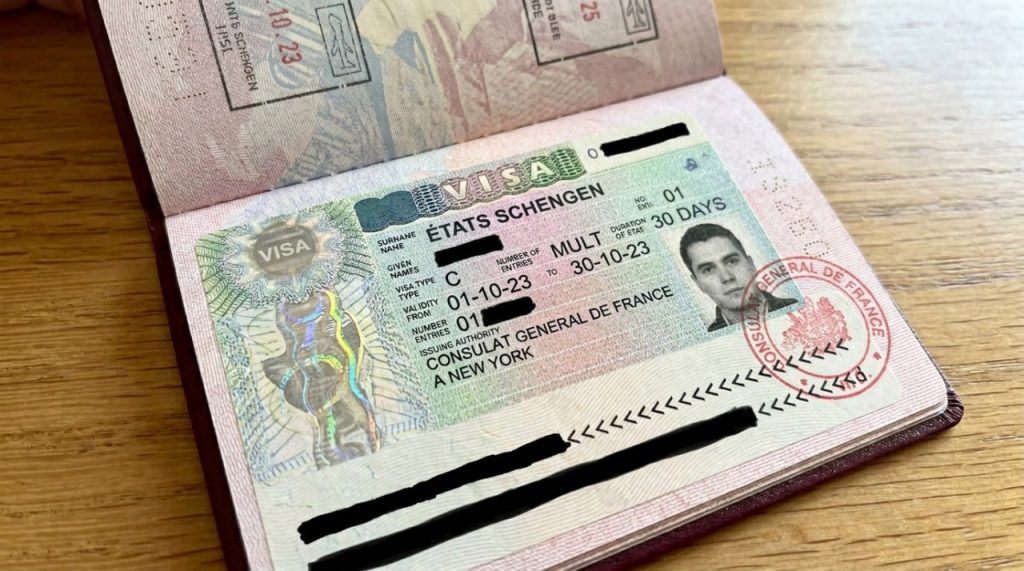
India continues to be a global magnet for innovation, spirituality, and commerce. As we move through 2026, the subcontinent’s digital infrastructure has reached a new level of sophistication, allowing for unprecedented ease of entry. However, for the modern traveler, the difference between a successful departure and a missed flight often comes down to two critical factors: timing and technical precision.
Whether you are responding to a sudden business opportunity in Bangalore or a last-minute family gathering in Delhi, understanding how to navigate the expedited pathways of the Indian e-Visa system is essential.
When Time is of the Essence: The Urgent Indian Visa
In the fast-paced world of international travel, not every trip is planned months in advance. Emergency situations—ranging from medical crises to high-stakes corporate negotiations—require a specialized response from immigration authorities.
The URGENT INDIAN VISA facility is designed specifically for these non-negotiable timelines. In 2026, the “Fast-Track” processing system can often grant travel authorization in as little as 24 to 72 hours. However, travelers should be aware that “urgent” does not mean “automatic.” This priority service requires the same level of scrutiny as a standard application, but with a dedicated team of officers managing the queue. To ensure success, applicants must be ready to provide proof of urgency and ensure their digital payment is processed through an instant-clearance gateway to avoid financial lag times.
Precision in Preparation: Indian Visa Document Requirements
The most common cause of application rejection or delay in 2026 is not a lack of eligibility, but a failure to meet specific digital standards. As India’s AI-driven verification systems become more advanced, the margin for error has narrowed significantly.
Adhering to the INDIAN VISA DOCUMENT REQUIREMENTS is the first step toward a successful approval. For 2026, the core requirements include:
- Biometric Photo Standards: A recent, colored photograph with a pure white background. The AI systems now check for “pixel clarity,” so using a smartphone photo with shadows or a busy background will result in an immediate flag.
- Passport Bio-Page Scan: Your passport must be valid for at least six months from the date of arrival. The scan must be clear, showing the MRZ (Machine Readable Zone) at the bottom without any glare or cropped edges.
- Supplementary Evidence: Depending on your visa type (Business, Medical, or Conference), you must have digital copies of invitation letters or hospital documents ready for upload in PDF format.
Expert Tips for 2026 Travel Compliance
To ensure your documentation is indexed correctly by border officials and your journey remains stress-free, keep these professional insights in mind:
- The 29-Port Rule: Remember that your e-Visa is valid for entry through 29 designated international airports. If your emergency requires landing at a smaller regional hub, you may need a traditional paper visa.
- Physical Backups: Even in a digital-first era, carry a high-quality printed copy of your Electronic Travel Authorization (ETA). Connectivity issues at check-in counters can occur, and a physical backup is the mark of an experienced traveler.
- Double-Check the Details: Ensure that every letter in your application matches your passport exactly. In 2026, even a missing middle name can cause a mismatch at the biometric gates in major hubs like Mumbai and Delhi.
Conclusion: Ready for the Subcontinent
India is a land that rewards the well-prepared. By mastering the technicalities of the urgent application process and ensuring your documents meet the latest standards, you clear the path to experience the incredible energy of the subcontinent with total peace of mind. Whether your journey is planned or impulsive, the right preparation ensures that India’s wonders are always within reach.
